Bone GraftingWhen Is It Needed Before Implants?

Bone Grafting rebuilds jawbone volume so an Implant has enough structure to anchor into and distribute load. It is needed when the bone left after tooth loss is too thin or too short to hold an Implant at stable torque. Many Patients need none. When you need one, the graft is placed in the same surgery as your Implant, and your complete treatment, fixed teeth included, is done within 5 to 7 days on one trip. A 3D CBCT scan decides which.


What Is Bone Grafting and Why Is It Needed?
Bone Grafting restores jawbone volume lost after a tooth is extracted, since unloaded bone gradually resorbs and the ridge narrows and shortens over months and years, leaving too little structure for an Implant to anchor into safely.
A graft places bone (or a bone-substitute scaffold) into the deficient site. Over the following months the body remodels it into the Patient's own living bone, re-establishing the structure needed for functional stability and even load distribution.
Common graft types:
- Socket preservation: a small graft placed into an extraction socket at the time the tooth comes out, to limit the resorption that would otherwise follow.
- Ridge augmentation: rebuilding a ridge that has already narrowed, to widen or heighten it for Implant placement.
- Sinus Lift: in the upper back jaw, raising the sinus floor and grafting beneath it to create vertical bone height for Implants.
At Stunning Dentistry, the need, type and timing are decided by your lead clinician from your CBCT scan, under Dr. Priyank Sethi (BDS, MDS, PhD).
Questions about this procedure?
When Is Bone Grafting Indicated, and When Is It Not?
Bone Grafting is indicated when CBCT imaging shows the bone is too thin or short to hold an Implant at stable torque, and it is unnecessary when the scan shows adequate width and height already. Grafting falls into four states:
- Indicated: your CBCT scan shows the bone is too thin or too short to hold an Implant at stable torque, so volume is rebuilt in the same surgery as your Implant.
- Optional: there is just enough bone to place an Implant, but a graft would improve long-term load distribution, gum contour or the safety margin. This is a longevity decision, weighed openly against placing without a graft.
- Urgent, rarely: a graft is never an emergency, but an infected socket or active disease must be cleared first, and that can be time-sensitive.
- Unnecessary: your scan shows adequate bone in width and height. A graft here adds surgery, cost and healing time with no functional benefit. If you do not need one, we will tell you.
Ready to discuss your options?
How Is Bone Grafting Actually Performed?
Bone Grafting takes five steps, set out below.
Whether the deficit is mild or larger, the graft is placed in the same surgery as the Implant, and your fixed teeth follow within 5 to 7 days on the same trip.
| Step | What happens | Why it matters |
|---|---|---|
| 1. Imaging | 3D CBCT measures bone width and height at each planned site | Decides whether a graft is needed at all, and of what kind |
| 2. Site preparation | Infection cleared, site cleaned, soft tissue lifted | Nothing is grafted over active disease |
| 3. Graft placement | Graft material placed; often covered with a membrane | Provides the scaffold the body remodels into bone |
| 4. Implant placement | Implant placed in the same surgery; torque documented above 35 Ncm per our clinical protocol; fixed teeth fitted within 5 to 7 days | Verifies the Implant has stable anchorage |
| 5. Healing | Months of remodelling into living bone at home (timing varies by graft type and site) | Builds the structure your Implant relies on, with your fixed teeth already in place |
Curious about costs and timelines?
What Does a Bone Graft Feel Like?
Why it can hurt. The graft site is in bone and gum, both richly supplied with sensory nerves. Lifting the gum and preparing the site creates a controlled wound, and the nervous system reports it as pain.
How anaesthesia blocks it. Local anaesthetic blocks the sodium channels in the nerves serving the site, so pain signals cannot reach the brain. For larger augmentations, sedation (quoted separately) keeps you comfortable while the local anaesthetic does the work.
What you feel. You may still sense pressure and movement during the procedure, because those travel on different nerves than pain. Sharp pain is not normal, and we answer it with more anaesthetic.
Normal soreness or infection? Swelling and soreness around the graft are expected after surgery, then settle. Pain or swelling that keeps increasing, or comes with fever or discharge, points to infection rather than normal healing.
When to call. Worsening pain, graft material loss, persistent swelling or fever need assessment, not endurance.
Want a personalised Treatment Plan?
What Does Recovery Look Like?
- First few days: swelling and soreness, then they ease; soft diet and cold compress.
- First 2 weeks: soft-tissue healing; the site is reviewed.
- Remodelling interval: the graft matures into living bone over months; timing depends on graft type, site and individual biology.
- Integration: your Implants, placed in the same surgery as the graft, bond with the maturing bone while you are at home, with your fixed teeth already in place.
A graft that remodels well gives your Implant the volume it needs for even load distribution. Grafted cases enter the same 10-year open file as other Implant work, with milestone reviews. Every treatment carries a Lifetime Warranty, and the warranty document sets out what is covered. Healing is biological and varies between people.
Questions about this procedure?

What Does Bone Grafting Cost at Stunning Dentistry?
A Bone Graft is $390 per quadrant and a Sinus Lift is $390 per side. Your CBCT scan is included in an All-on-4 or All-on-6 quote and priced at $50 on its own. Your written CAD Quote lists every clinical item before you travel. Your CBCT scan decides whether you need a graft or a lift at all.
A graft does not add a trip. It is done in the same surgery as your Implants, on one trip of 5 to 7 days.
Ready to discuss your options?
What Are the Risks of a Bone Graft?
Imaging and planning reduce these risks. A graft always carries some risk.
| Risk | Why it occurs | How we monitor / control it |
|---|---|---|
| Graft failure to integrate | Poor blood supply, infection, smoking, or movement of the site | Site cleared of disease first; smoking addressed; healing reviewed by video and with your Dentist at home |
| Infection at the graft site | Bacterial contamination during healing | Sterile technique, post-op hygiene protocol, early review |
| Sinus complications (Sinus Lift) | Membrane perforation or sinus inflammation in the upper jaw | CBCT assessment of sinus floor; careful membrane handling; repair during surgery if needed |
| Insufficient final volume | The graft remodels to less bone than planned | CBCT check at home, sent to our team |
| Nerve disturbance | Surgery near a nerve in the lower jaw | CBCT mapping of nerve position; planned safety margins |
Curious about costs and timelines?
Myth vs Clinical Reality
| Myth | Clinical Reality |
|---|---|
| "Everyone needs a Bone Graft before Implants." | Many Patients have adequate bone and need none; CBCT decides per site. |
| "A Bone Graft uses a stranger's bone." | Several graft sources exist, including the Patient's own bone and processed substitutes; the type is chosen per case and discussed with you. |
| "Grafting adds years to treatment." | Your graft is placed in the same surgery as your Implant, and your complete treatment is done within 5 to 7 days on one trip. |
| "If one Clinic says I need extensive grafting, I do." | Your scan decides. Ask to see the bone measurements behind any grafting recommendation. |
Want a personalised Treatment Plan?
Specialist-only treatment planning
- Remote file review before travel
No waiting list for eligible cases
- Evidence-led treatment checkpoints
Trip coordinated with care timeline
- 24/7 CRM from your first message to your flight home
Our Partners











Why Us
Good to know
Frequently Asked Questions
How do I know if I actually need a Bone Graft?
Does a Bone Graft mean my treatment will take much longer?
What happens if a graft doesn't take?
Can I avoid grafting altogether?
What does a Bone Graft cost?
See your new smile instantly!

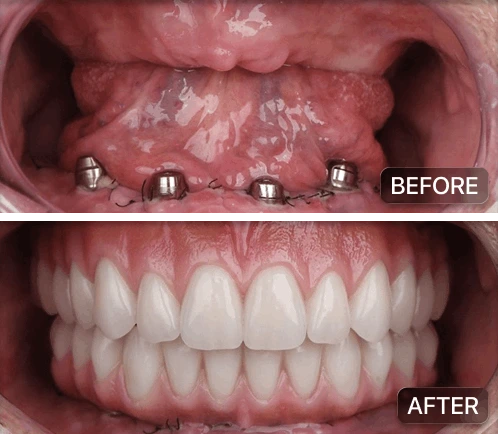
Before & After Results
Clinical Transformation
Successfully treated international patients from around the globe.
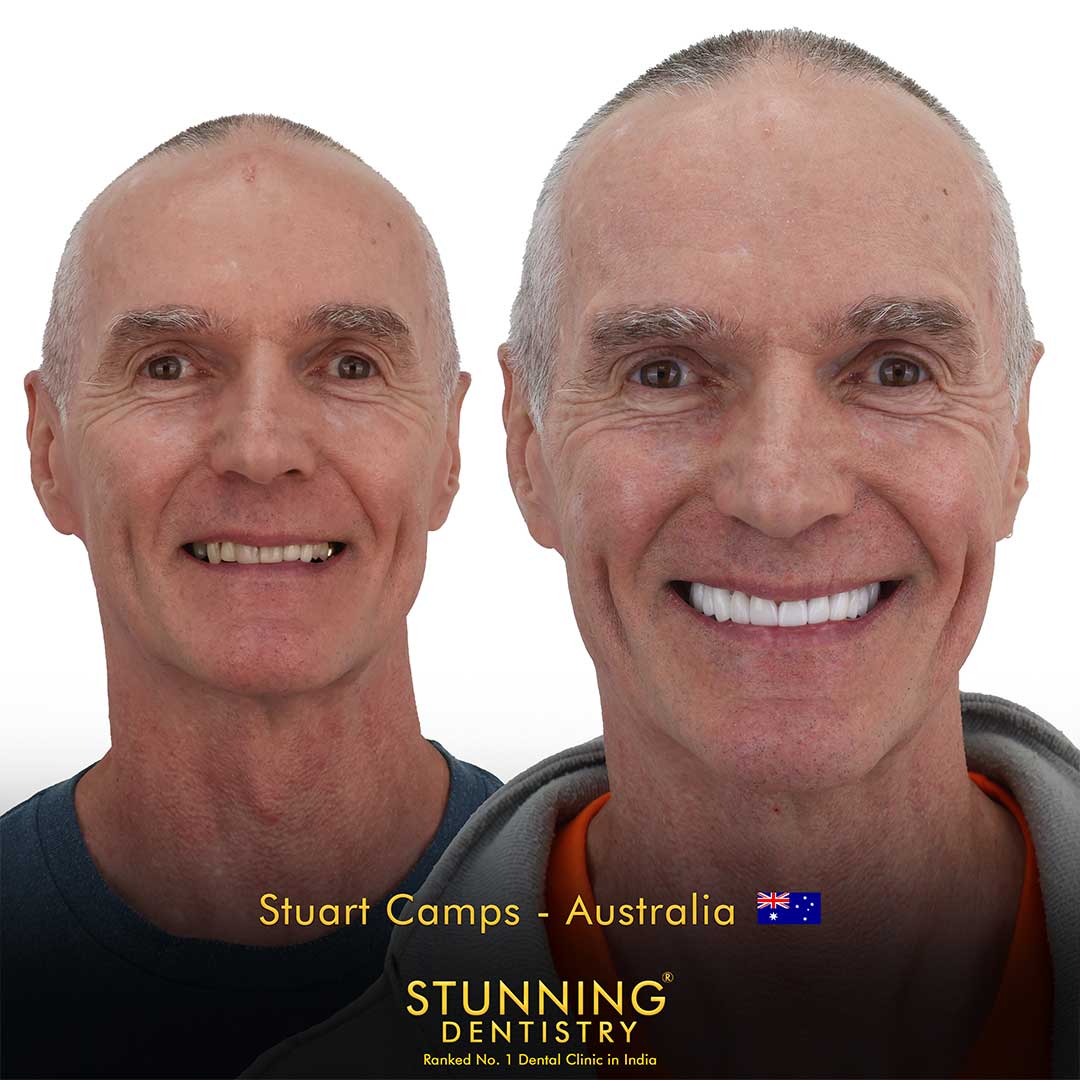
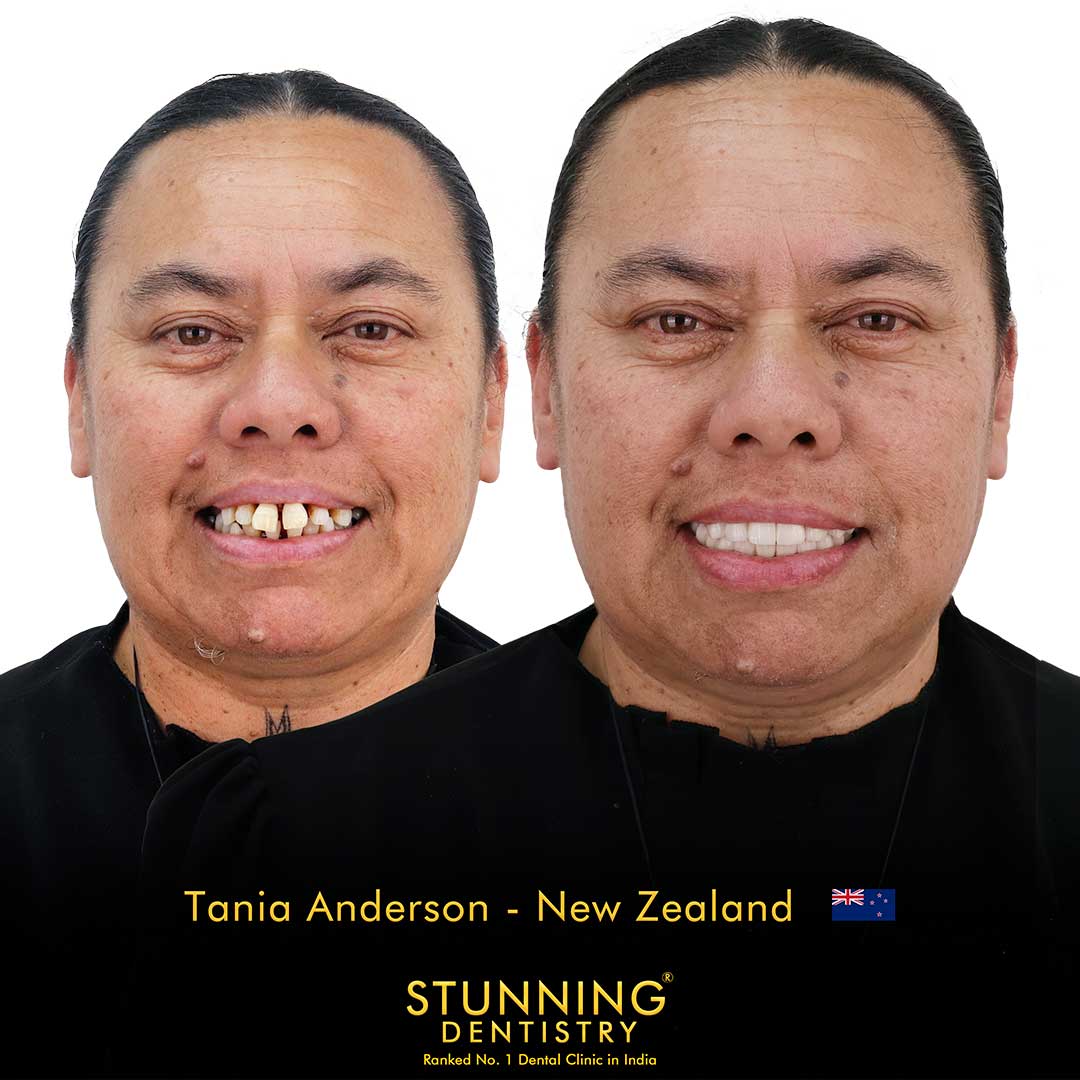
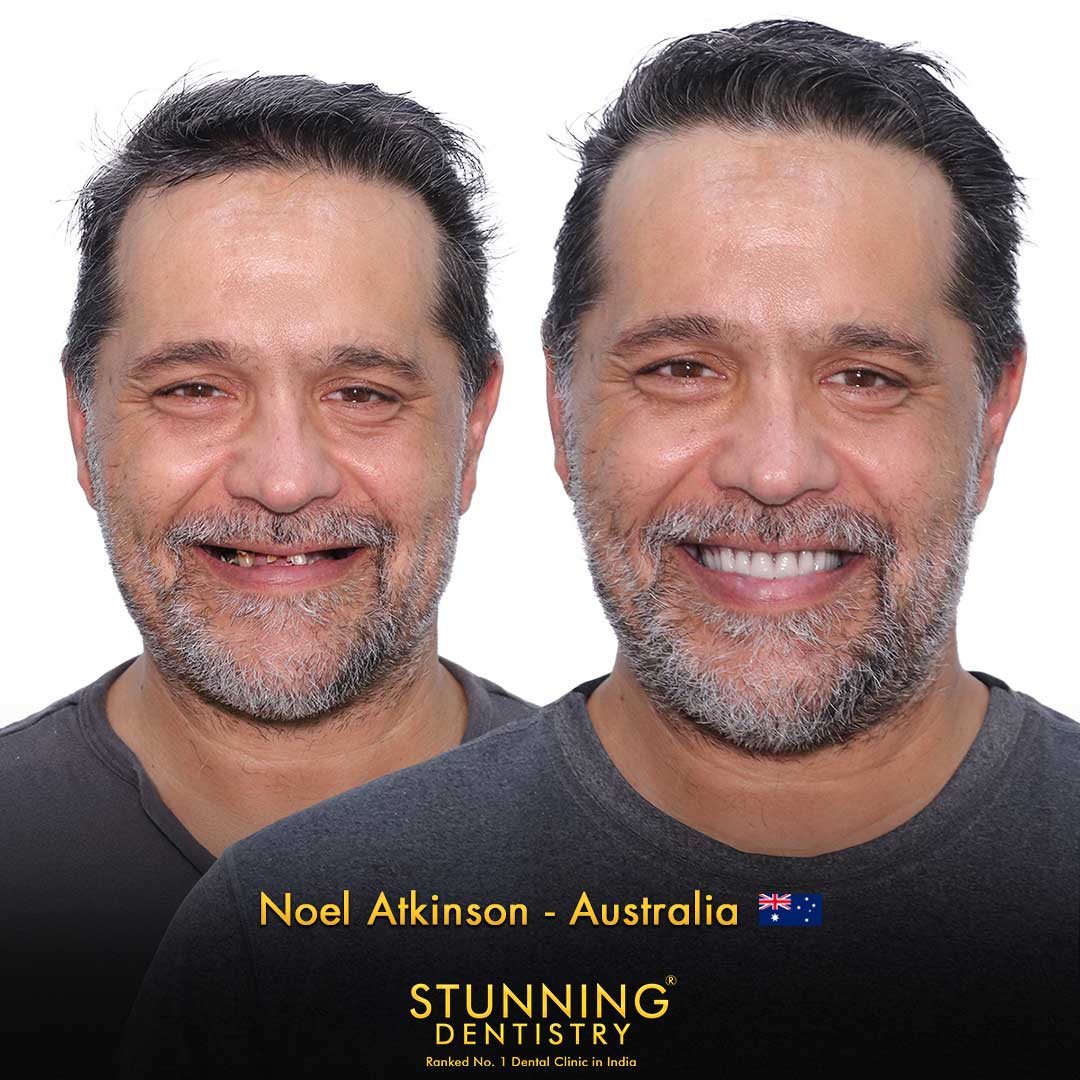

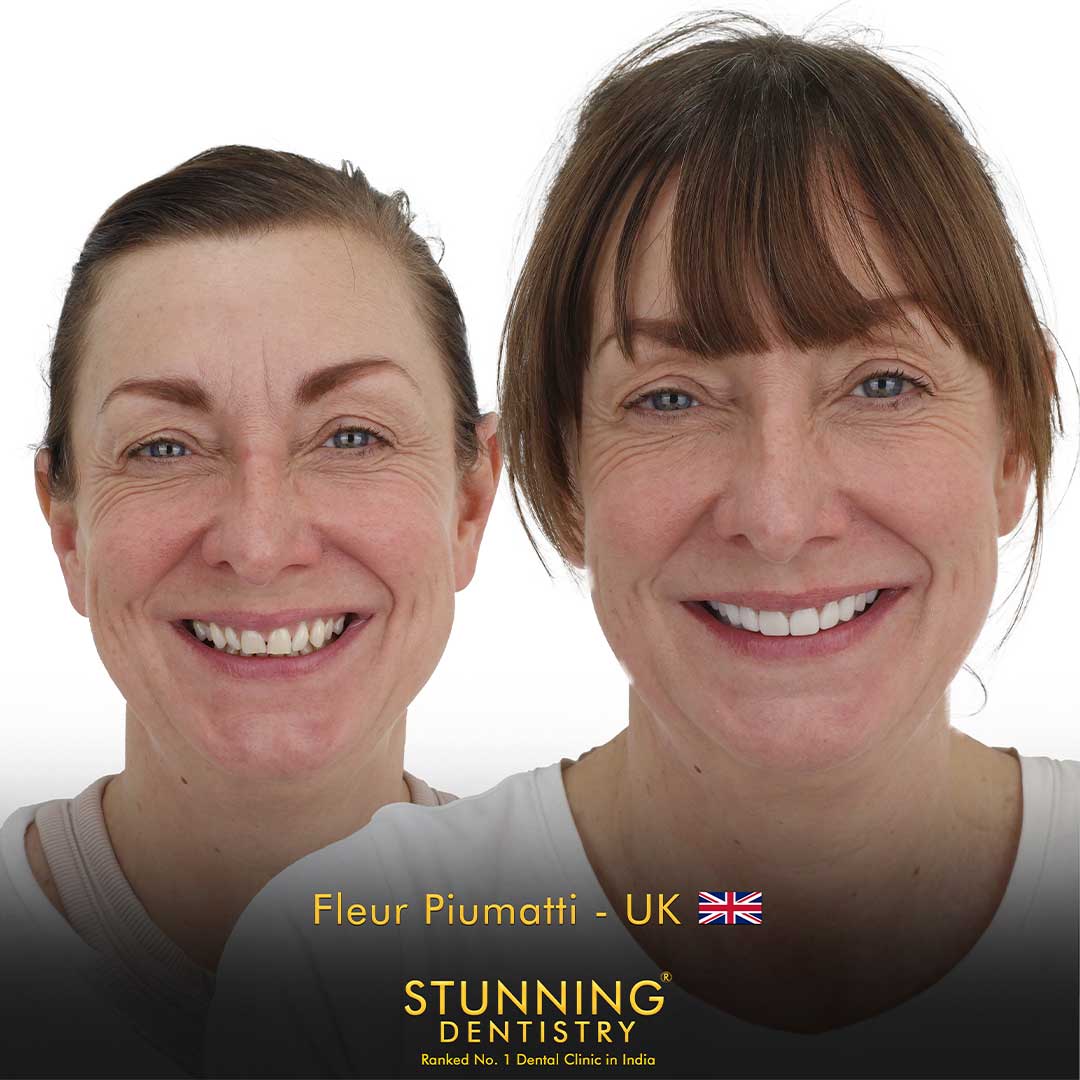
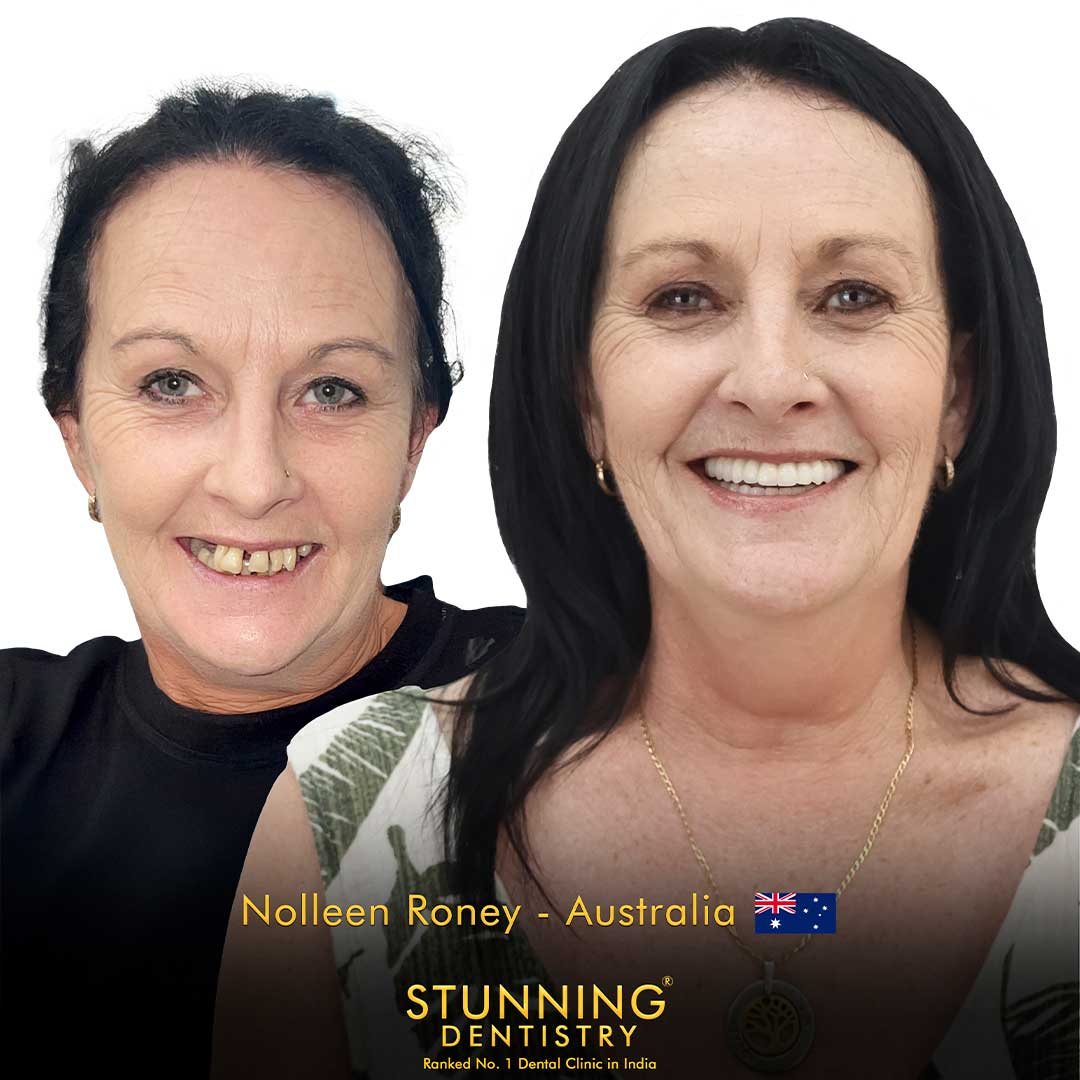

All on 6 Implants
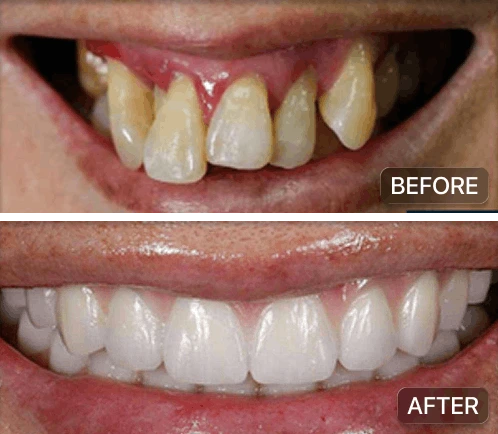
Full Mouth Implants
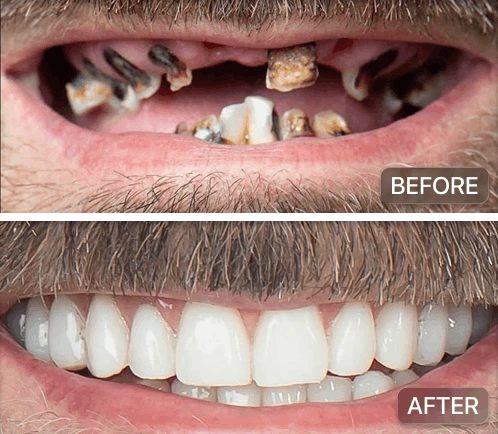
Full Mouth Implants
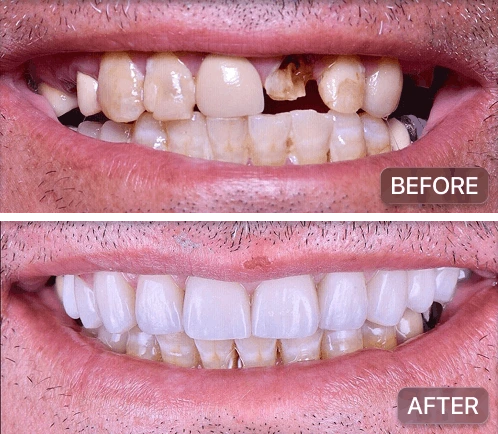
All on 4 Implants
Recognised for patient care
Internationally Recognised
Ranked No. 1 in India, four years in a row.
We won! The Prestigious Patient Service Award
Awarded in recognition of excellence in patient experience