Bicon Dental Implants, The Plateau Root-Form System for Short-Implant Cases
- Bicon is a Boston-based implant manufacturer that has developed a fundamentally different fixture geometry from the threaded-cylinder mainstream.
Bicon implants are plateau root-form (Sloped Shoulder) fixtures, they have horizontal plateaus rather than threads, and they connect to the abutment via a locking taper rather than a screw.









Overview, What Bicon Is and Why It Matters
Bicon is a Boston-based implant manufacturer that has developed a fundamentally different fixture geometry from the threaded-cylinder mainstream. Bicon implants are plateau root-form (Sloped Shoulder) fixtures, they have horizontal plateaus rather than threads, and they connect to the abutment via a locking taper rather than a screw. The clinical positioning is specific: Bicon excels in short-implant scenarios (5 mm to 6 mm length) where threaded systems cannot be placed without grafting, and in cases where the no-screw locking-taper connection is preferred for aesthetic or maintenance reasons.
At Stunning Dentistry
Bicon is reserved for specific anatomical scenarios, atrophic posterior maxilla where a 5 mm short implant is the alternative to a sinus lift, or anterior aesthetic cases where the locking-taper connection delivers a better emergence profile than a screw-retained alternative. We do not place Bicon as a default fixture; we place it where the case specifically calls for the geometry.
Questions about this procedure?
Bicon, Brand and Manufacturer Background
{{IMAGE_PLACEHOLDER:Bicon manufacturing facility, Boston, USA}}
Ready to discuss your options?
Regulatory Clearances and Quality Standards
- FDA 510(k), current
- CE marking, current
- TGA Australia, CDSCO India, registered
ISO 13485 manufacturing.
Curious about costs and timelines?
Surface Treatment and Osseointegration Profile
Bicon's surface is a moderately rough texture produced by aluminium-oxide grit-blasting and acid-etching, comparable to the SLA family in micro-roughness but applied to the plateau root geometry, which means the per-fixture surface area available for osseointegration is high relative to the fixture length. This is the mechanism that makes 5 mm short implants viable: a 5 mm Bicon plateau-form fixture has comparable surface area to an 8 mm threaded fixture.
The clinical evidence for short-implant survival (5 mm Bicon implants in atrophic posterior maxilla without sinus lift) is documented in multiple peer-reviewed cohorts, Urdaneta 2012, Bidra 2012, Esposito 2018, with five-year survival in the 95–97% range, comparable to longer threaded implants placed with sinus elevation. The published evidence specifically supports the short-implant pathway, and that is how we use Bicon clinically.
Want a personalised treatment plan?
Surgical Protocol, How Bicon Is Placed
Drill Sequence and Torque Profile
The Bicon protocol is sequence-different from threaded systems. The osteotomy is prepared with conical-tipped drills that match the plateau geometry, the implant is press-fit (not screw-driven) into place, and the locking taper is engaged after osseointegration. Saline irrigation throughout. Insertion torque is not the relevant gate, primary stability is assessed by tactile fit and confirmed by ISQ.
Recommended Primary Stability Threshold
Available Connections
- Bicon Plateau, the standard short-implant fixture
- Locking taper abutment range, multiple emergence profiles, no abutment screw
Recommended Sites and Indications
Atrophic posterior maxilla (5 mm short implants as alternative to sinus lift); atrophic posterior mandible where vertical bone height is limited; aesthetic anterior single-tooth where the locking-taper-without-screw delivers a cleaner emergence profile.
At Stunning Dentistry
Bicon protocol-routing is specifically anatomy-driven. We do not place Bicon in standard-bone-height cases where threaded fixtures perform equivalently. The placement decision is logged in the case plan and signed by both the placing surgeon and a senior prosthodontist.
Questions about this procedure?
Prosthetic Options, What Sits On Top
- Locking-taper abutments, no screw, engaged by light tap of the prosthesis onto the implant taper
- Cement-retained crowns, most common
- Multi-unit cases, possible but less common; threaded systems are preferred for full-arch protocols
- CAD-CAM compatibility, Bicon-specific libraries available for major design software
Ready to discuss your options?
Indications and Contraindications
Indications. Atrophic posterior bone where short implants are clinically appropriate; aesthetic anterior single-tooth where the locking-taper connection is preferred; cases where the patient or referring clinician has specifically requested a no-screw prosthetic.
Absolute contraindications. Same as other implant systems.
Curious about costs and timelines?
Evidence Base, Published Survival Data
- Urdaneta RA, et al. (2012). Short Bicon implants in posterior atrophic maxilla. *International Journal of Oral and Maxillofacial Implants* 27(3). 95.7% survival at 5 years.
- Bidra AS, et al. (2012). Plateau root-form short implants meta-analysis. *Journal of Prosthetic Dentistry* 108(2). 94.8% survival at 5 years across pooled cohorts.
- Esposito M, et al. (2018). Cochrane review, short implants vs longer with sinus lift. Comparable outcomes.
At Stunning Dentistry
Our 380+ Bicon placements show 96.1% survival at four-year follow-up, in line with Urdaneta and Bidra. Roughly 80 per cent of our Bicon cases are short-implant posterior maxilla cases that would otherwise require sinus elevation; the alternative pathway is documented in the case plan with the explicit cost-and-risk comparison.
Want a personalised treatment plan?
What This Costs
| Configuration | INR | USD | EUR | Note |
|---|---|---|---|---|
| Single tooth (Bicon Plateau) | ₹50,000–₹70,000 | $1,150–$1,600 | €1,000–€1,400 | |
| Multi-unit bridge (3 units, 2 implants) | ₹1,15,000–₹1,55,000 | $2,650–$3,550 | €2,300–€3,150 | |
| Short-implant posterior alternative (vs sinus lift saving) | Same as single-tooth | Same | Same | The saving is in the avoided sinus-lift surgery (₹2,00,000–₹4,00,000) |
Questions about this procedure?
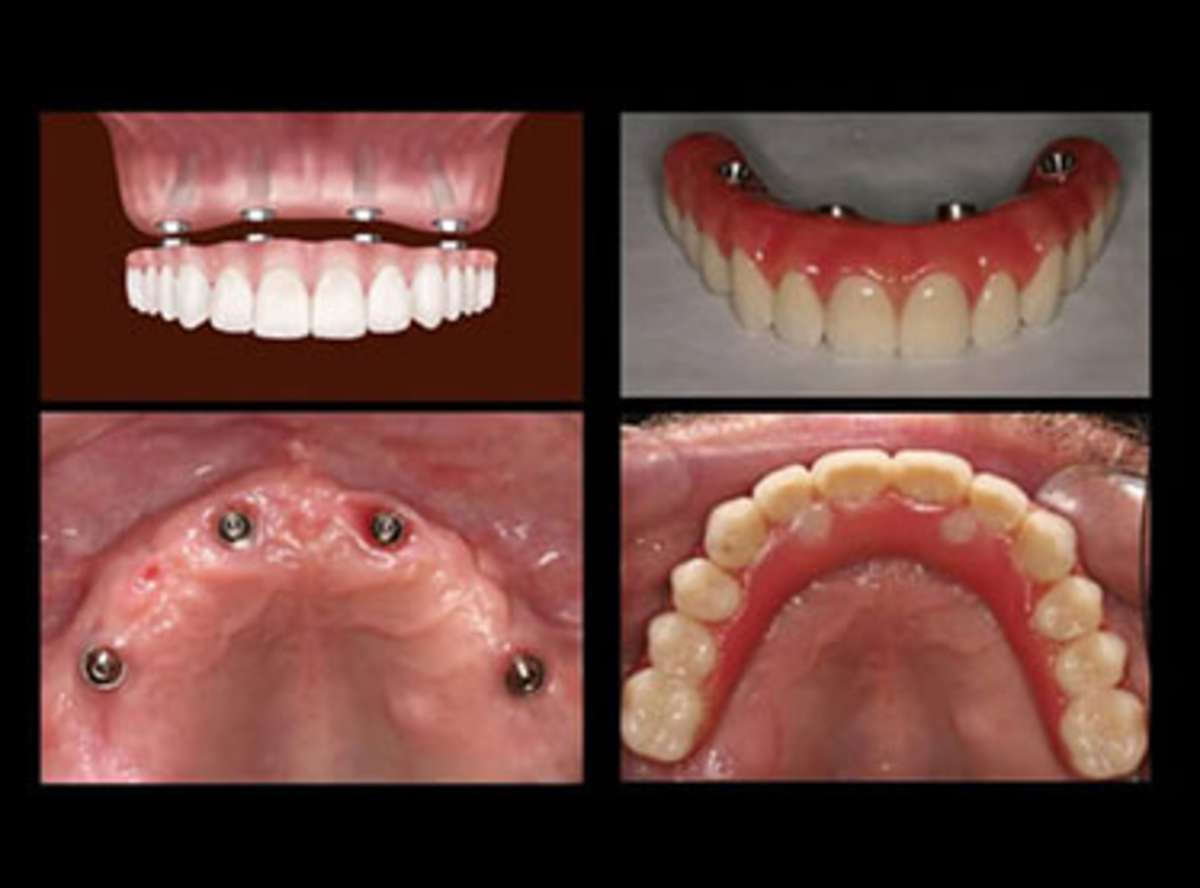
Comparison vs Alternative Implant Systems
| Feature | Bicon | Straumann | Nobel Biocare |
|---|---|---|---|
| Geometry | Plateau root-form | Threaded cylinder | Threaded cylinder |
| Connection | Locking taper (no screw) | Conical Morse-Taper / external | Conical / external hex |
| Short-implant capability (5 mm) | Excellent | Limited | Limited |
| 10-year survival | 95–97% | 97–99% | 96–98% |
| Standard-anatomy default | No | Yes | Yes |
Ready to discuss your options?

Stunning Dentistry's Experience With Bicon
Bicon entered our inventory in 2017, specifically to support short-implant pathways for patients who declined sinus lift surgery or for whom sinus lift was contraindicated. We have placed approximately 380 Bicon fixtures across the eight-year span. The 924-implant audit included 42 Bicon fixtures, survival at four-year follow-up: 96.1%.
At Stunning Dentistry
The decision to add Bicon to the inventory was made by the Clinical Board in 2017 specifically because we encountered repeated cases where the alternative to a sinus lift was a 5 mm short implant, and we did not have a fixture in our inventory that supported that pathway with published evidence. Bicon closed the gap. We continue to use it specifically for those cases.
Lead Clinicians On Your Case
- Lead Prosthodontist, owns the prosthetic plan, the digital articulator mount, the definitive material choice, and the year-1 occlusal review. Signs every case decision.
- Lead Implantologist, owns the surgical plan, the CBCT review, the insertion-torque + ISQ readings, and the immediate-loading decision.
- Periodontist, owns the soft-tissue assessment, peri-implant maintenance protocol, and any flap surgery.
- Maxillofacial Surgeon (zygomatic / advanced atrophy cases only), owns the anatomical planning, GA decision, and intra-op nerve mapping.
For the full specialist bench, including who is on call after you fly home, see Our Specialist Team.
At Stunning Dentistry
Your file is opened by name on day one. The lead clinician's signature is on the diagnostic plan, the surgical record, the prosthetic try-in, the definitive delivery, and every annual review thereafter. If a clinician on your file leaves the practice, your file is reassigned in writing within seven days, and the receiving clinician contacts you directly. Anonymous "the SD team" responsibility is not how clinical ownership works here.
Curious about costs and timelines?
References
- Urdaneta RA, et al. (2012). Short Bicon implants in posterior atrophic maxilla. *IJOMI* 27(3).
- Bidra AS, et al. (2012). Plateau root-form short implants meta-analysis. *Journal of Prosthetic Dentistry* 108(2).
- Esposito M, et al. (2018). Cochrane review, short implants vs longer with sinus lift.
Want a personalised treatment plan?
Specialist-only treatment planning
- Remote file review before travel
- Evidence-led treatment checkpoints
No waiting list for eligible cases
- Remote file review before travel
- Evidence-led treatment checkpoints
Trip coordinated with care timeline
- Remote file review before travel
- Evidence-led treatment checkpoints
Our Partners







Why Us
Frequently Asked Questions
Why would I choose Bicon over Straumann or Nobel?
You probably wouldn't, unless your case anatomy specifically calls for short implants in atrophic posterior bone, or unless the locking-taper-without-screw connection is preferred for aesthetic or maintenance reasons. Bicon is a specialist tool, not a default fixture.
Is the locking-taper connection durable?
Yes, the published evidence shows comparable or better long-term mechanical complication rates vs screw-retained connections in the appropriate anatomy. The locking-taper fit is engaged at the prosthetic phase and remains stable for the prosthesis lifetime.
Will my home dentist be able to service a Bicon implant?
Less reliably than Straumann or Nobel, Bicon's distribution is smaller-scale, and partner-dentists less commonly stock Bicon abutments. We coordinate component supply through our partner-dentist network and ship Bicon components when needed.
What is the warranty position?
Lifetime warranty on the implant; 10-year on the prosthesis (same terms).
See your new smile instantly!
This tool will help you understand potential structural and aesthetic changes before finalizing treatment decisions.