
Dental Tourism: India vs Thailand — Complete Honest Comparison (2026)
- Comprehensive comparison of dental tourism in India vs Thailand.
Costs, implant brands, clinical capabilities, safety standards, aftercare, and patient volume analysis.


By Clinical Team · Apr 3, 2026 · 12 min read
Introduction: Why Both Are Popular, But Different
If you are considering dental work abroad, India and Thailand are likely on your shortlist. Both countries have emerged as global dental tourism hubs, marketing themselves to international patients seeking world-class dental care at 50-75% cost savings compared to Western prices.
But the two countries are not interchangeable. They have different strengths, different economic models, different clinical capabilities, and different patient experiences. Choosing between them requires understanding these differences clearly.
This guide compares India and Thailand directly across cost, clinical capability, safety standards, aftercare systems, and patient volume — to help you make an informed choice based on your specific treatment needs.
Cost Comparison: CAD Pricing — India vs Thailand
India is consistently 40-60% cheaper than Thailand for the same procedures using the same implant systems. Here are real 2026 pricing points (in CAD) from comparable clinics in both countries.
Single implant (Straumann): India CAD $900-1,500 vs Thailand CAD $1,800-3,000. All-on-4 per arch: India CAD $7,500-12,000 vs Thailand CAD $15,000-21,000. Porcelain veneer: India CAD $250-500 vs Thailand CAD $525-900. Smile makeover (16 veneers): India CAD $4,000-8,000 vs Thailand CAD $8,400-14,400. Full mouth rehabilitation: India CAD $15,000-24,000 vs Thailand CAD $30,000-45,000.
The cost difference is not marginal. For a comprehensive smile makeover, India saves CAD $4,400-6,400 on treatment alone. For All-on-4, India saves CAD $7,500-9,000 per arch — or CAD $15,000-18,000 for both arches.
Why is India cheaper? Not because of lower quality, but because of structural economic factors: lower surgeon salaries (though salaries are competitive by Indian standards), significantly lower clinic rent, and in-house lab operations. Thailand's higher costs reflect tourism infrastructure development and higher operating expenses in Bangkok and Phuket.
Clinical Capability: Different Specializations
Both countries excel in different domains. Choosing the right country depends on your specific treatment needs.
Thailand's strengths: Thailand dominates cosmetic dentistry. Teeth whitening, smile aesthetics, single tooth veneers, and cosmetic crown work are Thailand's specialty. Thailand also excels in single-implant cases and small bridging cases (2-3 implants). Many of Thailand's dentists trained in the US and Australia, giving them strong cosmetic sensibilities. Patient testimonials show exceptionally high satisfaction with aesthetic outcomes.
India's strengths: India excels in complex rehabilitative dentistry — cases requiring bone loss management, sinus lifts, zygomatic implants (for severe bone deficiency), full-mouth reconstruction, implant-supported dentures, and multi-specialist coordination. India's top hospitals have 17+ departments and 15-25+ specialists under one roof. A complex case (e.g., a patient with severe bone loss, periodontal disease, and bite collapse) is reviewed by an implant surgeon, a periodontist, a prosthodontist, a bone specialist, and a cosmetic expert — all in one facility, coordinating care.
Case-by-case breakdown: If you need 6 veneers and whitening, Thailand is excellent. If you need 16-20 veneer smile makeover with gum contouring and bite adjustment, either is fine (India cheaper). If you need All-on-4 for full-mouth replacement with significant bone loss, India is better (bone expertise, specialist coordination). If you need zygomatic implants (implants anchored in the zygomatic bone when jaw bone is severely deficient), only specialized centers in India offer this — Thailand does not.
Safety and Accreditation Standards
Both countries have high safety standards at top-tier clinics, but they follow different accreditation pathways.
Thailand: JCI (Joint Commission International) accreditation is the global standard for hospital safety. Many of Thailand's dental clinics are JCI-accredited, meaning they have undergone rigorous independent audits covering sterilization, staff qualifications, patient safety, infection control, and outcomes tracking. JCI accreditation is rigorous and prestigious.
India: Top Indian dental hospitals hold ISO 9001:2015 certification (quality management system) combined with compliance with AAID (American Academy of Implant Dentistry) and AACD (American Academy of Cosmetic Dentistry) protocols. ISO 9001:2015 is a manufacturing/process standard; it certifies that a clinic's systems are audited and repeatable. It is not equivalent to JCI but is still substantive.
Practical reality: At the top tier of both countries, safety is excellent. Both countries have clinics with 95%+ implant success rates and satisfied international patients. Safety is clinic-specific, not country-specific. A mediocre clinic in India is as risky as a mediocre clinic in Thailand. A top-tier clinic in India is as safe as a top-tier clinic in Thailand.
Red flags in either country: Avoid clinics that cannot show recent audit reports (JCI or ISO), cannot name the surgeons performing your procedure, use 'premium implants' without naming brands (Straumann, Nobel, Osstem), lack video testimonials from international patients, or have no documented aftercare protocol. These red flags apply equally to both countries.
Aftercare and Long-Term Support Systems
The difference between India and Thailand is most apparent in aftercare structure.
Thailand: Thailand clinics typically offer 3-6 months of aftercare support. Follow-ups are conducted via email and occasional video calls. If a complication arises beyond 6 months (e.g., implant failure at year 2), you are responsible for arranging your own return to Thailand for corrective treatment — at your expense.
India: India's top clinics offer 1-2 years of structured aftercare with dedicated international patient coordinators. Some clinics offer lifetime support through tele-dentistry. Follow-ups include scheduled video consultations at 1 month, 3 months, 6 months, and 1 year. If complications arise, the clinic proactively reaches out and arranges your return (if necessary) for corrective treatment — often at no additional cost.
Patient testimonials reveal this difference: Thailand patients sometimes report difficulty reaching their clinic post-op. India patients report receiving multiple proactive follow-up calls and check-ins.
Long-term thinking: If you value ongoing support and proactive monitoring, India wins. If you prefer minimal contact after treatment and accept responsibility for arranging follow-up care, Thailand is fine.
Surgeon Qualifications and Training
Both countries attract highly trained dental surgeons, but with different backgrounds.
Thailand: Many Thai dentists trained in the US, Australia, or UK. They bring Western cosmetic sensibilities and patient-care approaches. Some Thai surgeons studied at prestigious US schools (UCLA, USC) and returned to Thailand. This background is excellent for cosmetic cases but Thailand's specialists are fewer in number relative to population.
India: Top Indian surgeons have diverse training: many completed postgraduate degrees (MDS, Masters) in the US, Germany, or UK, then returned to India. India also has strong indigenous dental education with 300+ dental colleges producing skilled graduates. India has significantly more implant specialists and oral surgeons per capita than Thailand due to population scale.
Practical difference: Both can perform excellent work. For complex cases, India's higher density of specialists increases the likelihood of finding someone with deep expertise in your specific problem.
Patient Volume and Case Experience
Patient volume is a proxy for experience and outcome optimization.
Thailand: Top dental clinics in Bangkok and Phuket treat 300-500 international patients per year. This is respectable volume, allowing clinics to refine their processes and protocols.
India: Top dental hospitals in New Delhi treat 3,000-8,000 international patients per year — 6-16x higher volume than Thailand. India's leading hospitals receive patients from 60+ countries. They have developed systematic, refined international patient operations with dedicated coordinators, multi-language support, and well-oiled logistics.
Volume advantage: Higher volume means more cases refined through iterations, better systems for managing complications, and faster response to problems (staff are trained to handle situations rapidly because they see them frequently). A clinic treating 5,000 international patients per year has seen and solved problems that a clinic treating 400 patients per year is still encountering.
Visa, Travel, and Logistics Differences
Both countries are accessible to CA patients, but logistics differ.
Thailand: E-Visa available online (CAD $80-120). Tourism infrastructure is excellent (lots of hotels, restaurants, spas, attractions). English is widely spoken in tourist areas. Flight time from NZ: ~16 hours. Geographical advantage: if you want beach recovery post-treatment, Phuket and Bangkok offer island relaxation. This appeals to patients seeing dental tourism as a wellness vacation.
India: E-Visa available online (CAD $90-120). English is widely spoken (India is an English-speaking country due to historical British influence). Tourism infrastructure is growing but less developed than Thailand. Flight time from NZ: ~18-20 hours (longer). Geographical appeal: cultural tourism (Taj Mahal, temples, markets) rather than beach relaxation.
Practical consideration: If you want to combine dental treatment with vacation, Thailand (beaches, spas, resorts) has appeal. If you want to focus purely on treatment with some cultural tourism during recovery, India works equally well.
Implant Brands and Material Quality
Both countries use identical implant brands and materials — this is not a differentiator.
Implant brands used in both: Straumann (Swiss), Nobel Biocare (Swedish), Osstem (Korean). Both countries source these from the same manufacturers at similar cost. The brands are globally distributed; origin country does not affect quality.
Prosthetic materials: IPS e.max (lithium disilicate ceramics) and zirconia are used in both countries. Lab quality is determined by the specific lab's standards and equipment, not by geography.
Key difference: India's in-house labs (common at hospital-model clinics) can fabricate restorations faster and with more customization because the lab and clinic are integrated. Thailand often uses external labs, introducing lab turnaround variability.
Recovery Experience: Medical vs Vacation Paradigm
The patient experience differs between the two countries due to different treatment cultures.
Thailand: Positioned as 'medical vacation' with emphasis on luxury recovery. Many clinics partner with high-end spas and resorts. Recovery is combined with relaxation, shopping, and tourism. Post-op you are encouraged to rest and explore simultaneously. Clinic interactions are often brief and formal.
India: Positioned as 'medical treatment' with emphasis on rigorous aftercare. Post-op you are expected to rest and attend frequent follow-ups (daily or alternate-day for the first week). Clinic interactions are more involved and proactive. International patient teams are very engaged in your recovery.
Which is better? Depends on personality. Some patients want brief clinical contact and maximum leisure (Thailand appeals). Others want detailed care, frequent monitoring, and ongoing support (India appeals). Both models work; they just reflect different values.
Complications and Dispute Resolution
What happens if something goes wrong?
Thailand: Clinic responsibility and dispute resolution varies. At JCI-accredited clinics, there are formal complaint procedures and documented quality protocols. If a complication occurs, JCI accreditation ensures there is an auditable response. However, dispute resolution for international patients can be difficult (different legal systems, language barriers). Insurance or legal recovery is challenging if unhappy with treatment.
India: At ISO-certified clinics, formal documentation and quality protocols exist. If complications occur, Indian clinics have strong incentive to resolve them quickly because international patient reputation is critical (word-of-mouth spreads globally). Many top Indian clinics offer revision treatment at no cost if their work is at fault. Lifetime warranties are common, covering implant failure and prosthetic issues.
Practical implication: Both have systems for quality assurance. India's stronger warranty culture (lifetime warranties common) provides more protection to patients. If a crown fails at year 8, an India clinic replaces it free; a Thailand clinic may charge for replacement.
Conclusion: Which Is Right For You?
Choose India if: You need complex rehabilitative work (bone grafting, full-mouth rehabilitation, multiple specialties coordinated), you value extensive aftercare and lifetime support, you want the lowest total cost, or you prefer proactive follow-up management. India is best for comprehensive cases.
Choose Thailand if: You need cosmetic-focused work (smile makeover, veneers, whitening), you want to combine treatment with a beach vacation, you prefer minimal post-op clinic contact, or you value JCI accreditation above all else. Thailand is best for cosmetic cases with leisure preference.
For CA patients: Most comprehensive cases (implants, full-mouth rehabilitation) are better served by India's specialist depth and lower cost. Single-tooth cosmetics or smile makeovers can be done anywhere — choose based on vacation preference (beaches vs culture) and aftercare style (engaged vs independent).
Either way, choose the top-tier clinic (not the cheapest clinic) in your chosen country. Quality within a country varies more than quality between countries at the top tier.
Specialist-only treatment planning
- Remote file review before travel
- Evidence-led treatment checkpoints
No waiting list for eligible cases
- Remote file review before travel
- Evidence-led treatment checkpoints
Trip coordinated with care timeline
- Remote file review before travel
- Evidence-led treatment checkpoints
Our Partners










Why Us
Frequently Asked Questions
Is India or Thailand cheaper for dental implants?
India is 40-60% cheaper than Thailand. Single implant: India CAD $900-1,500 vs Thailand CAD $1,800-3,000. All-on-4: India CAD $7,500-12,000 vs Thailand CAD $15,000-21,000. Smile makeover: India CAD $4,000-8,000 vs Thailand CAD $8,400-14,400.
Which country is better for complex dental work?
India is superior for complex cases. Top Indian hospitals have 17+ departments and 15-25+ specialists coordinating care (implant surgeon, periodontist, prosthodontist, bone specialist, cosmetic expert). Thailand excels in cosmetics but has fewer multi-specialist centers.
What does Thailand do better than India?
Thailand dominates cosmetic dentistry (veneers, whitening, aesthetic crowns). Thailand also offers beach-resort recovery experience, which appeals to patients wanting to combine treatment with vacation.
Is Indian or Thai dentistry safer?
At the top tier, both are equally safe. Thailand has JCI-accredited clinics (global hospital standard). India has ISO 9001:2015-certified clinics (quality management standard). Safety is clinic-specific, not country-specific. Both have 95%+ implant success rates at top clinics.
How long is aftercare support in each country?
Thailand: typically 3-6 months of aftercare support. India: typically 1-2 years of structured follow-up, with some clinics offering lifetime support via tele-dentistry. India provides more proactive ongoing management.
Do both countries use the same implant brands?
Yes. Both use Straumann (Swiss), Nobel Biocare (Swedish), and Osstem (Korean). Material quality is identical. India's advantage is faster prosthetic fabrication due to in-house CAD/CAM labs.
Which country has more experienced surgeons?
Both attract highly trained surgeons. India has higher density of specialists per capita due to population scale. Top surgeons in both countries trained in the US, UK, or Germany. Volume matters: India's top hospitals treat 3,000-8,000 international patients per year; Thailand treats 300-500 per year.
Can I combine dental treatment with a vacation in either country?
Thailand: Yes, positioned as 'medical vacation' with beach and resort recovery. India: Possible but less marketed; cultural tourism (temples, markets) during recovery rather than beach. Both allow treatment + tourism depending on preference.
What happens if something goes wrong after I return home?
Thailand: You arrange your own return for corrective treatment at your expense. India: Top clinics proactively coordinate your return, often free if the complication was their responsibility. India's warranty culture provides more patient protection.
For a full-mouth rehabilitation (All-on-4), which country is better?
India. Complex cases benefit from multi-specialist coordination, in-house labs reducing turnaround, and extensive aftercare. India's 3-4x cost advantage (CAD $15,000-24,000 vs CAD $30,000-45,000) is significant for comprehensive work.

“Vancouver dentist quoted $28,000. Paid $8,500 - including flights. Straumann implants, flawless execution.”
Patricia L. · Vancouver
Full Mouth Rehabilitation
Patient Stories
Real Canadians. Real Savings.
Every story is verified. Every saving is documented.

“Toronto's top clinic said no bone for standard implants. Dr. Sethi used zygomatic technique. Perfect teeth, one surgery.”
Daniel K. · Toronto
Zygomatic Implants

“Waited 8 months in Canada. Got everything done in Montreal trip - same-day teeth, lifetime warranty.”
Sylvie R. · Montreal
All-on-4 Both Arches

“Calgary prosthodontist wanted $32,000. Got Nobel Biocare implants and bridge for $9,800.”
Brian T. · Calgary
Full Arch Zirconia Bridge

“Finally smiling in photos again. Dr. Sethi's team is exceptional - every detail planned, every step executed perfectly.”
Rebecca F. · Ottawa
Smile Design - 20 Veneers

“Winnipeg specialist recommended bone grafts plus implants - $40,000 total. Dr. Sethi: one visit, permanent solution, $10,500.”
Robert W. · Winnipeg
Zygomatic + Fixed Bridge
Clinical Outcomes
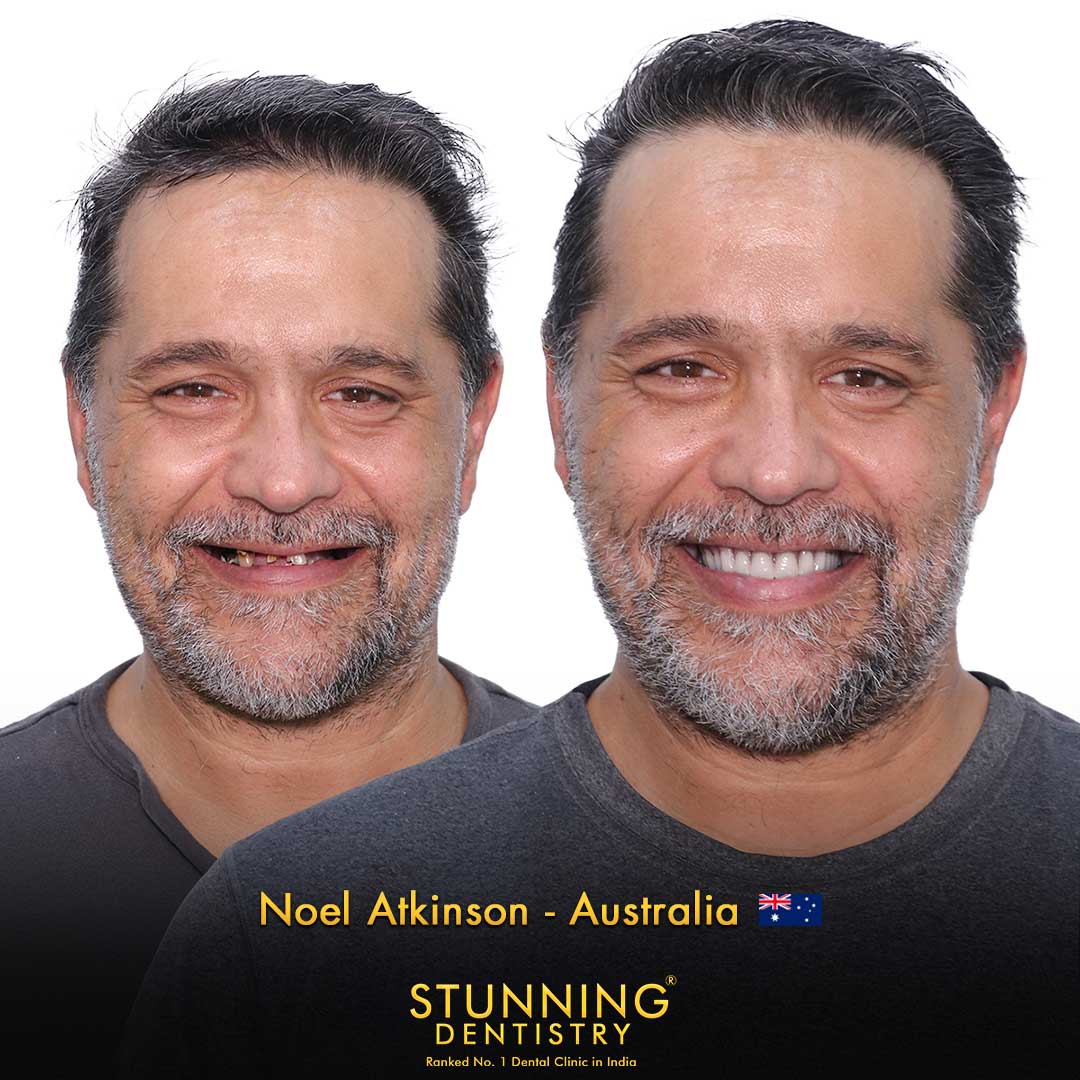
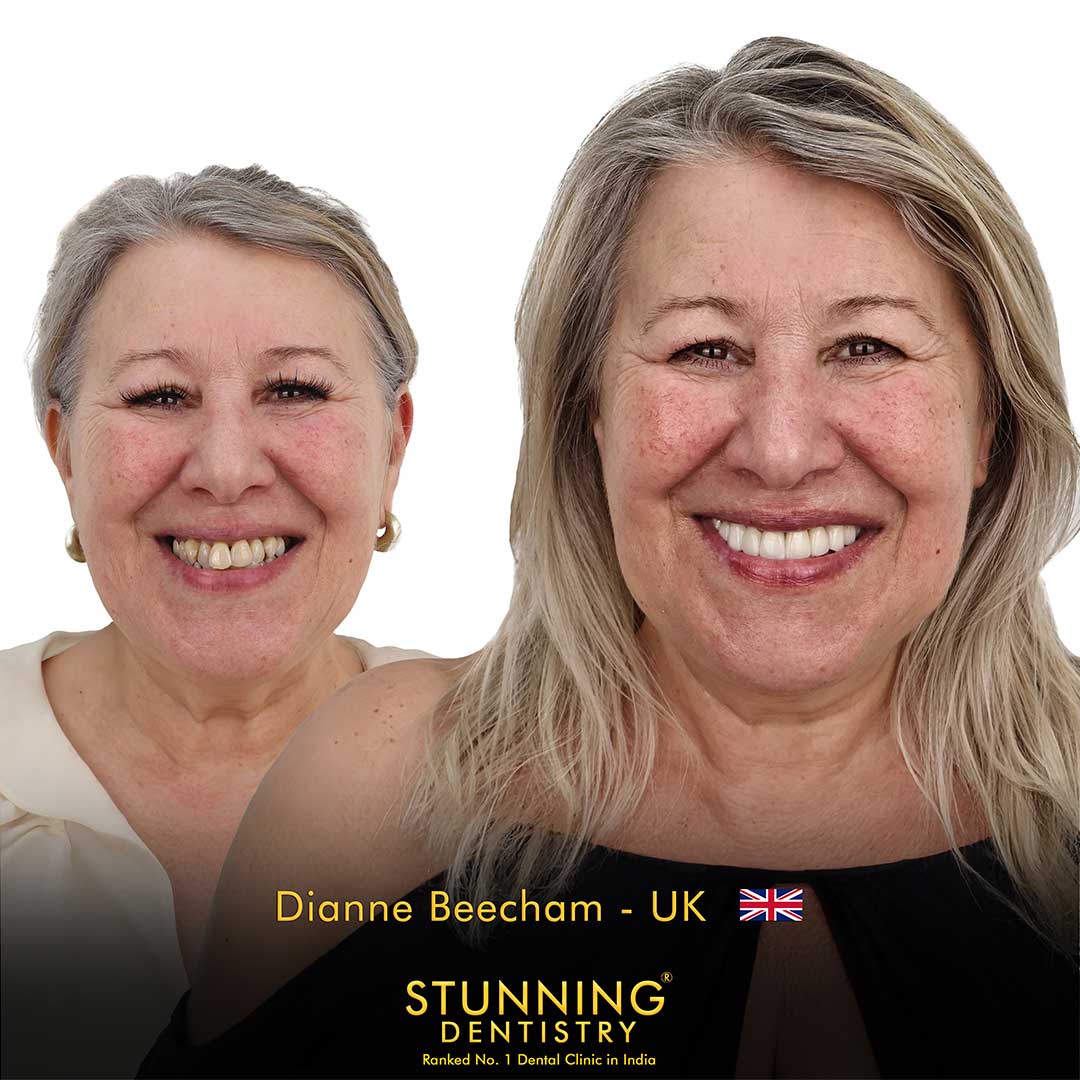
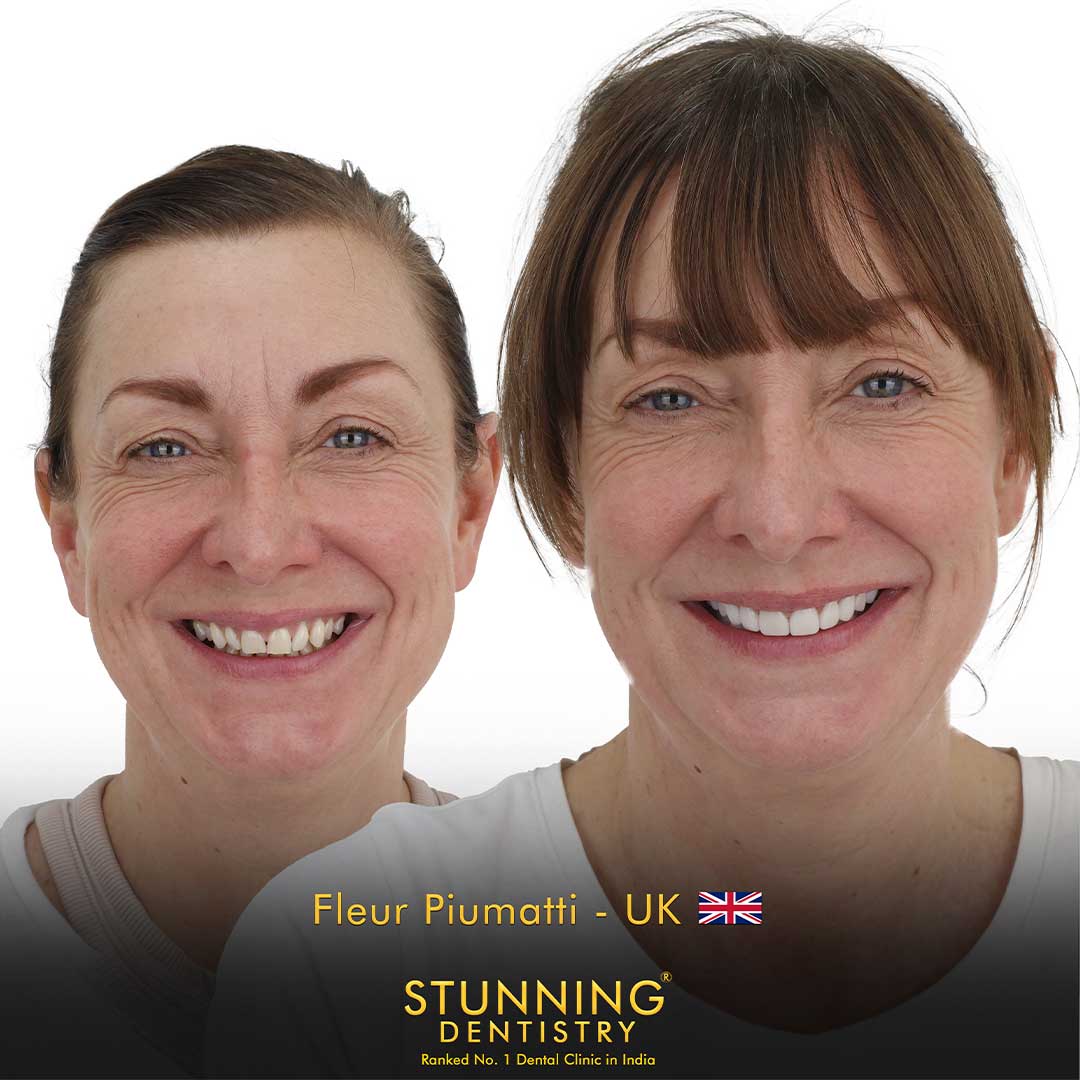
Over 150,000 patients seen and counting...
Real patient treatment journeys handled by specialist teams at Stunning Dentistry.
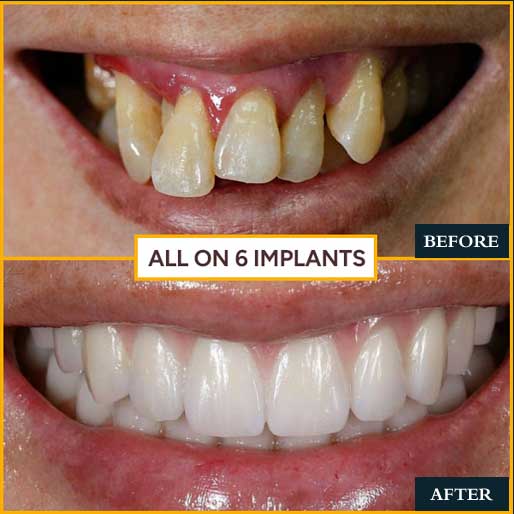 1 / 4
1 / 4Treatment: Porcelain Veneers
Duration: Approx 1 week
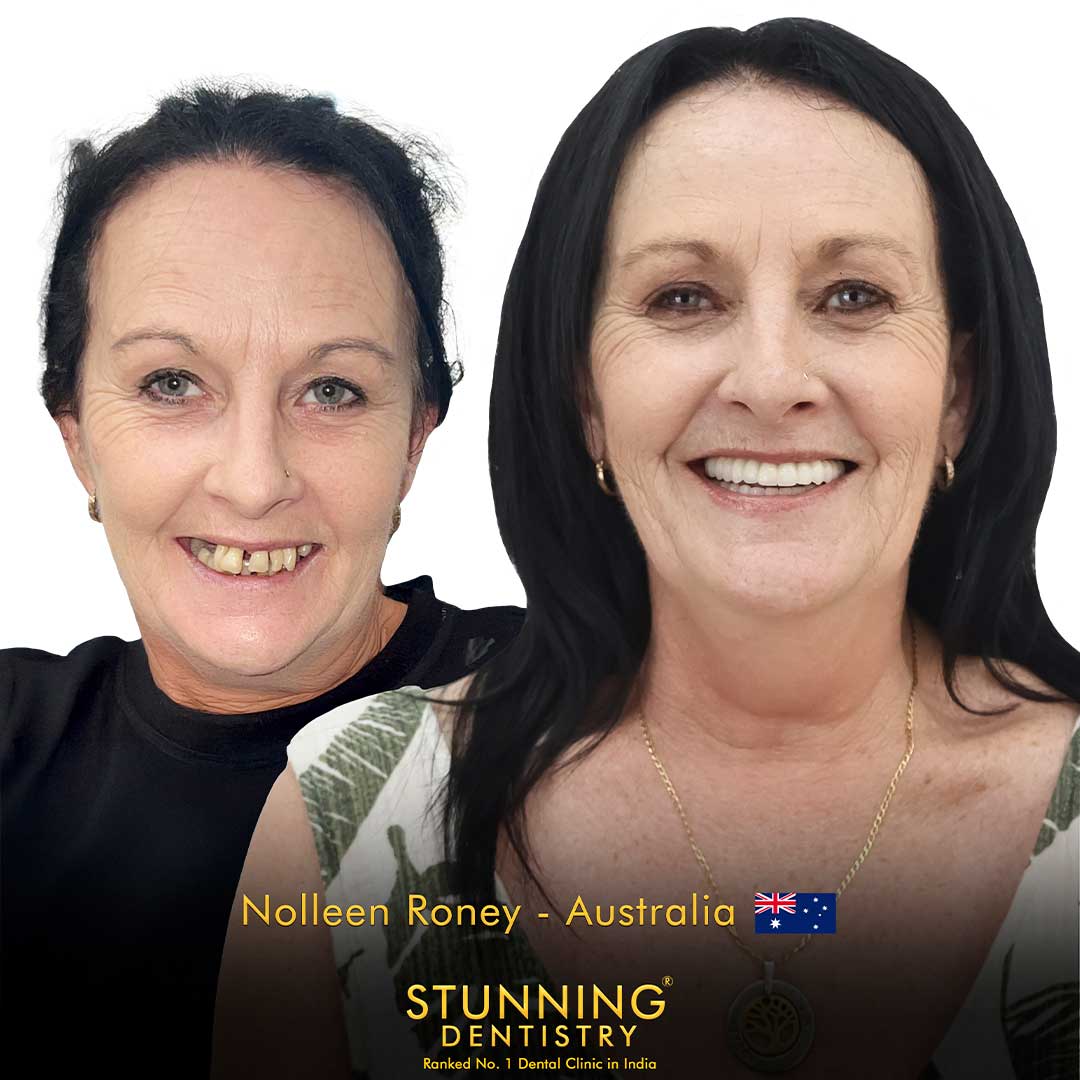
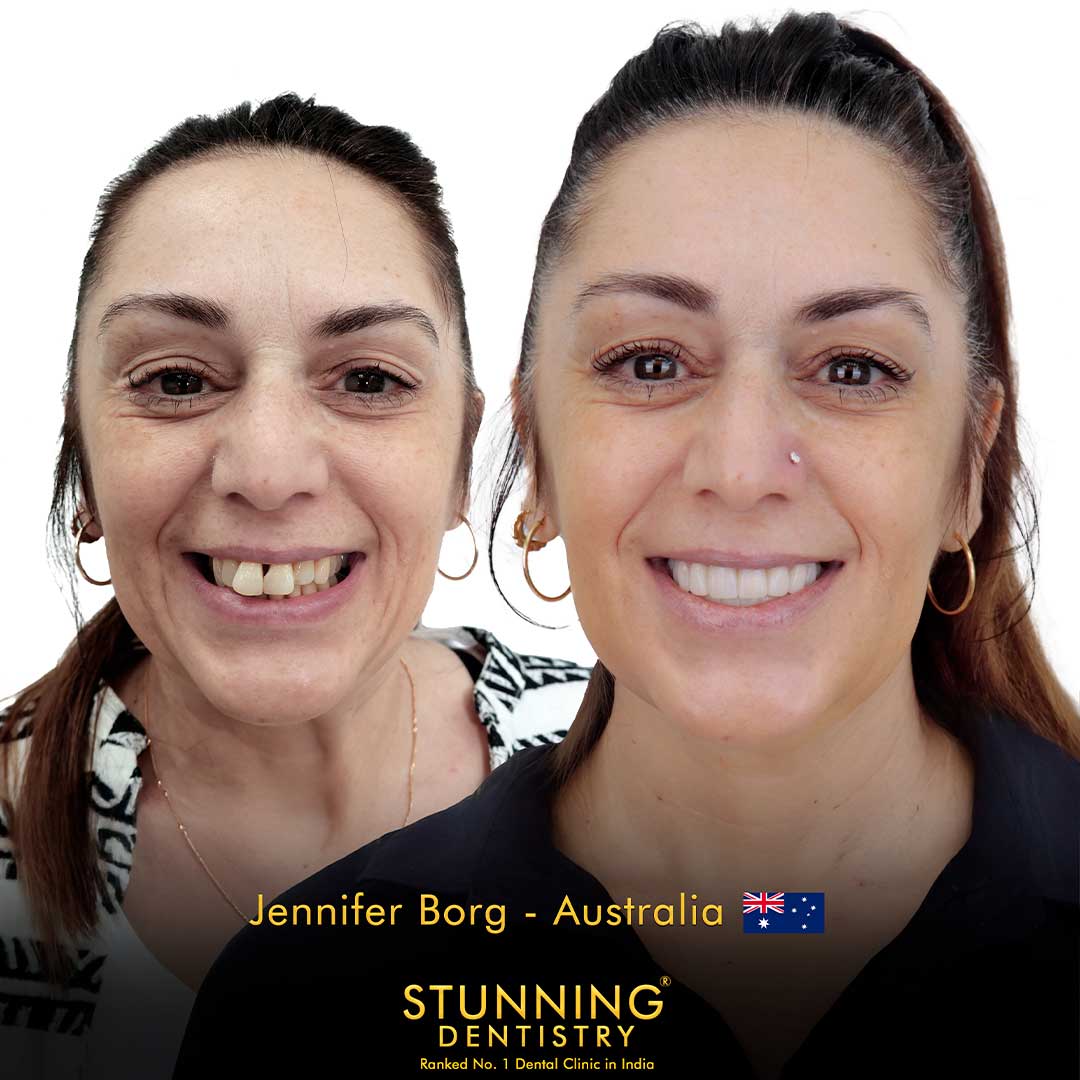
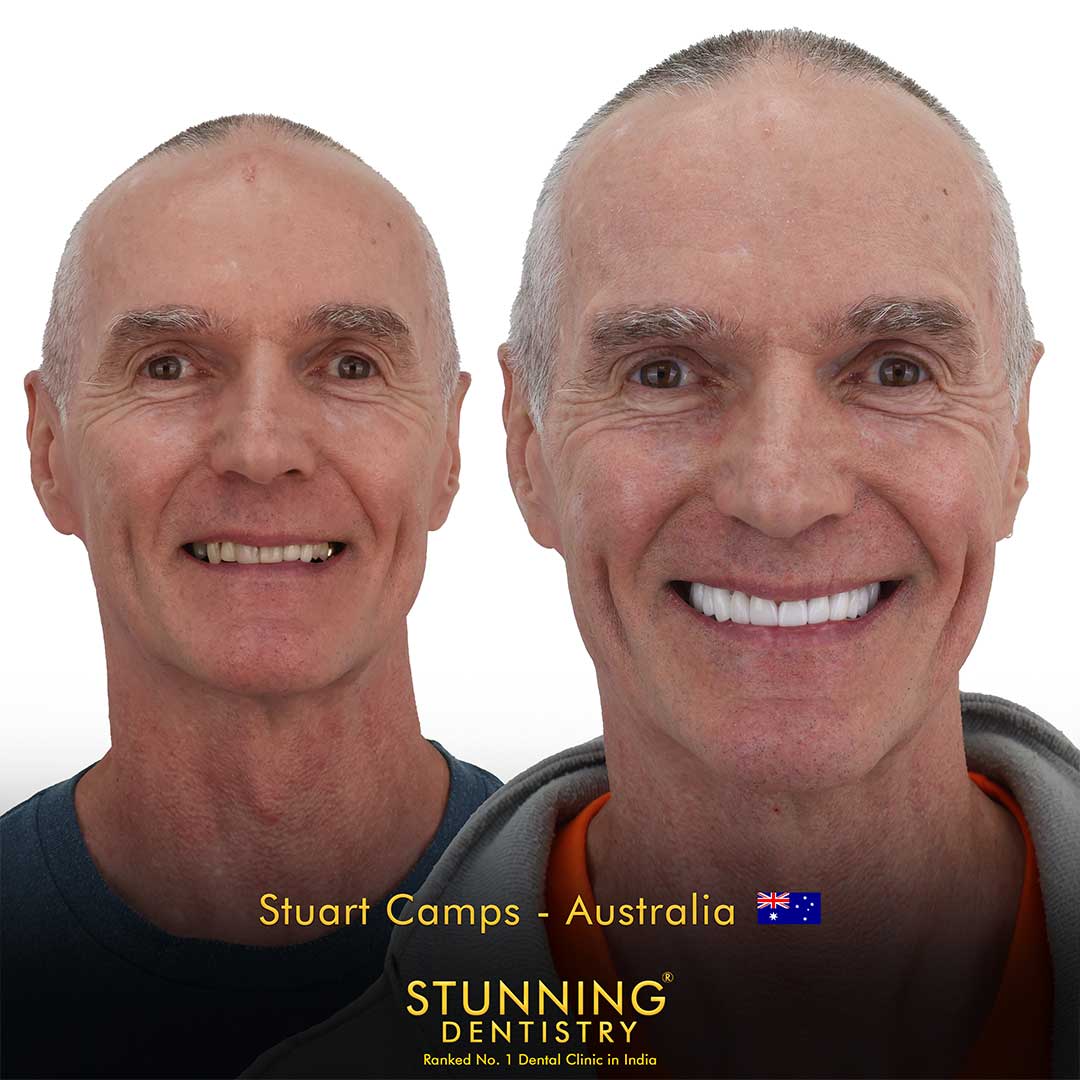
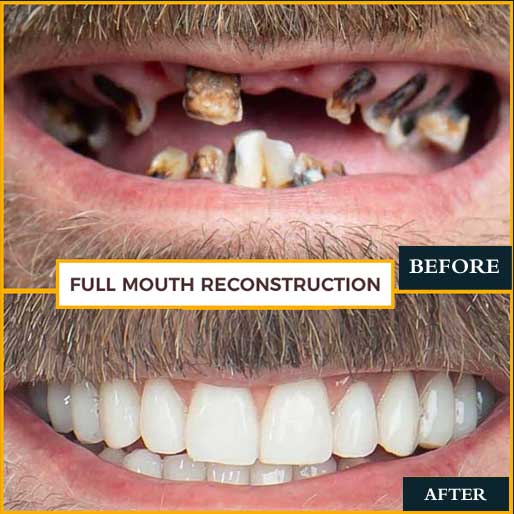 1 / 4
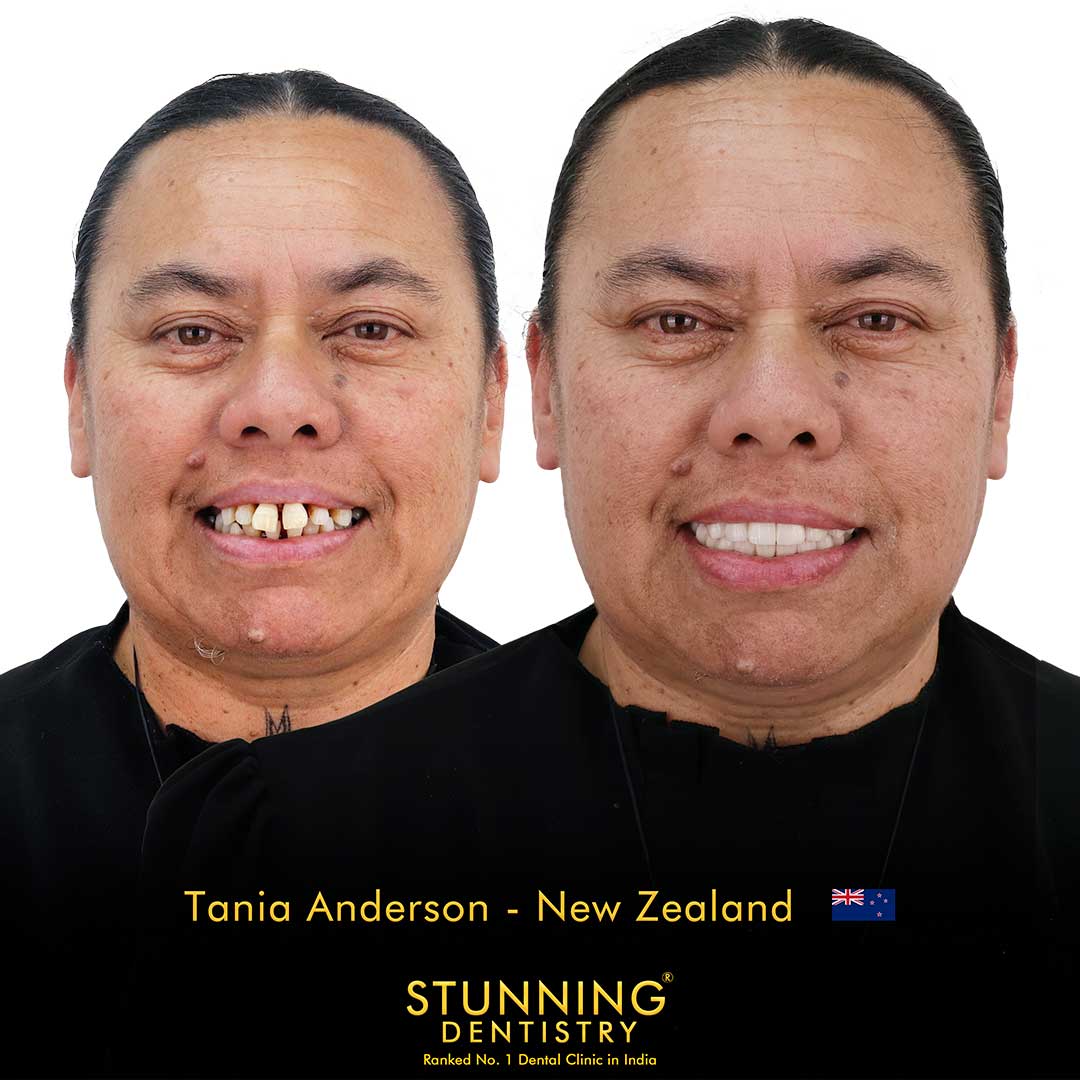
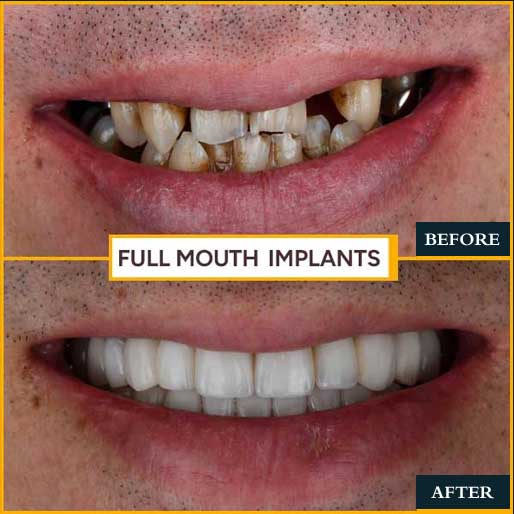
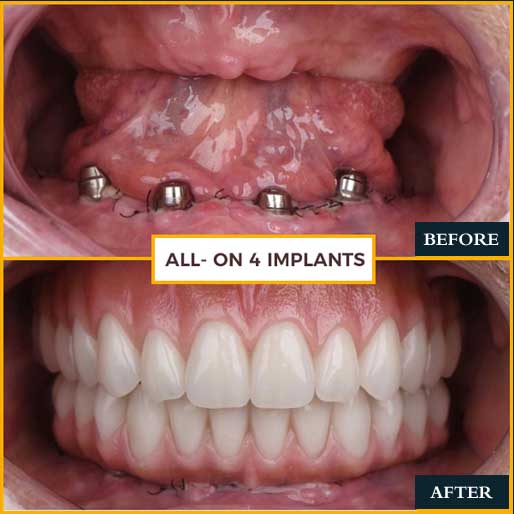
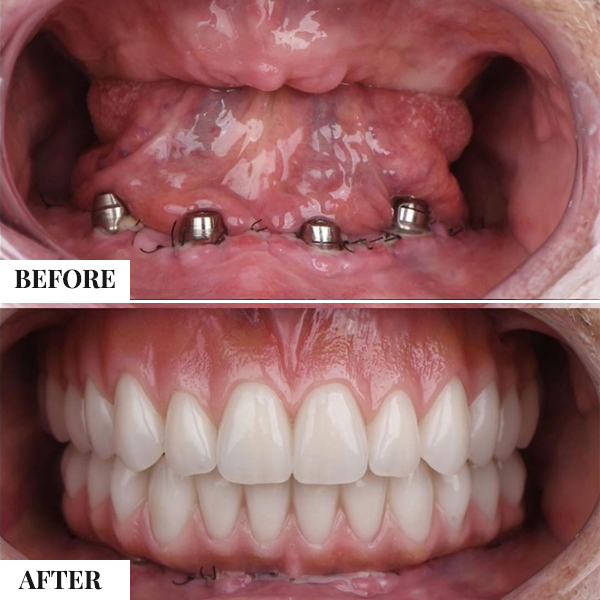
1 / 4Treatment: Full Mouth Rehabilitation
Duration: Approx 10 days
 1 / 4
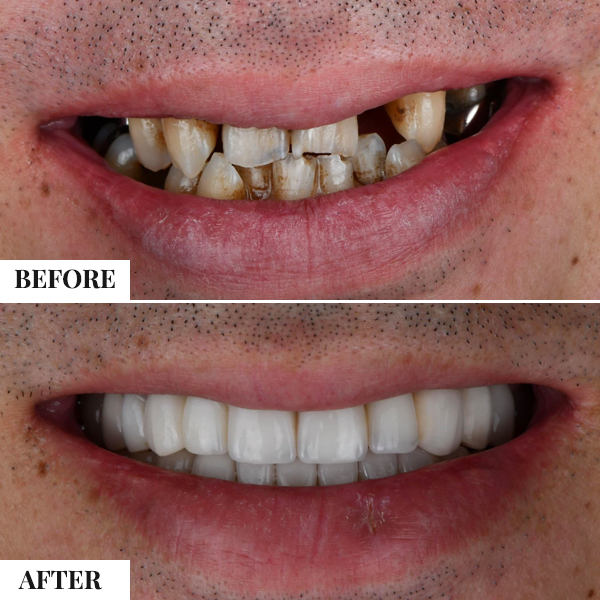
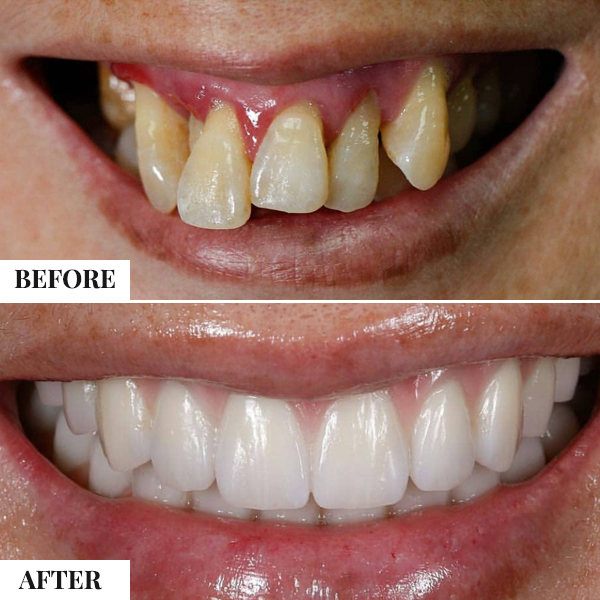
1 / 4Treatment: Smile Makeover
Duration: Approx 5 days
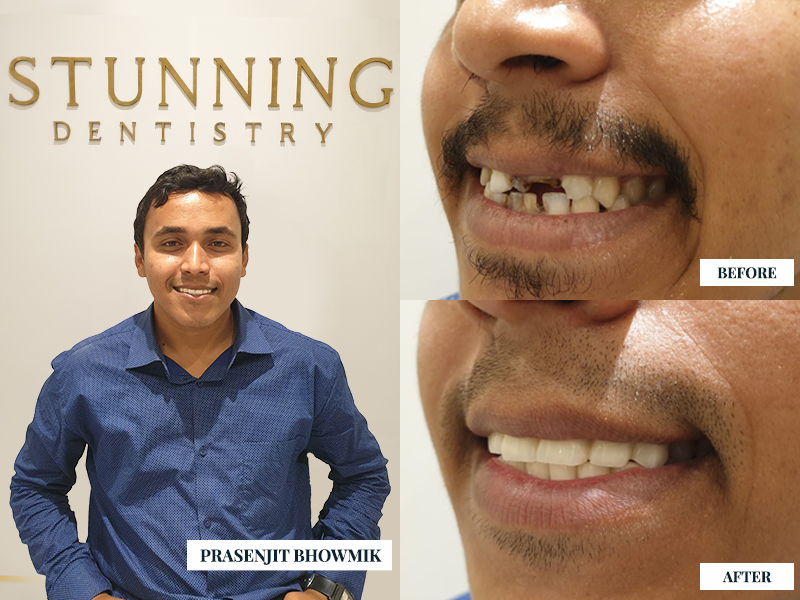 1 / 4
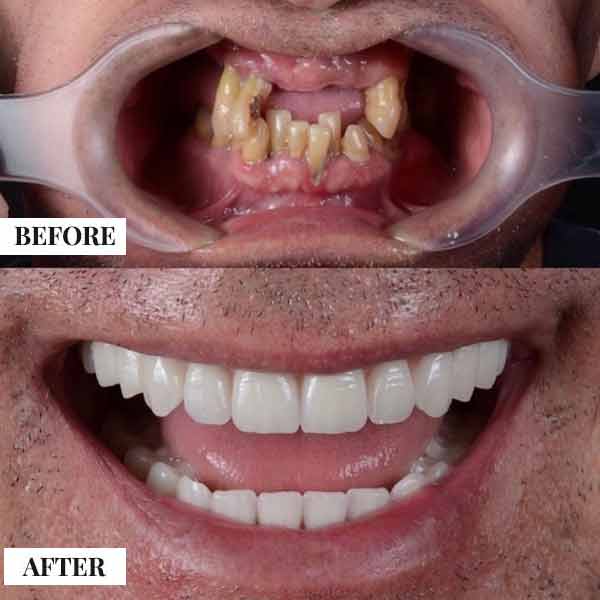
1 / 4Treatment: Dental Implants
Duration: Approx 2 weeks
International Recognition
Awarded Best Dental Clinic in India 2023 / 2024
Accredited by


Featured in


Lifetime Warranty
On All Treatments
Price Match
Guaranteed

Excellence Summit Forbes India

Asia Healthcare Award

International Business Award

International Excellence Award